Short answer
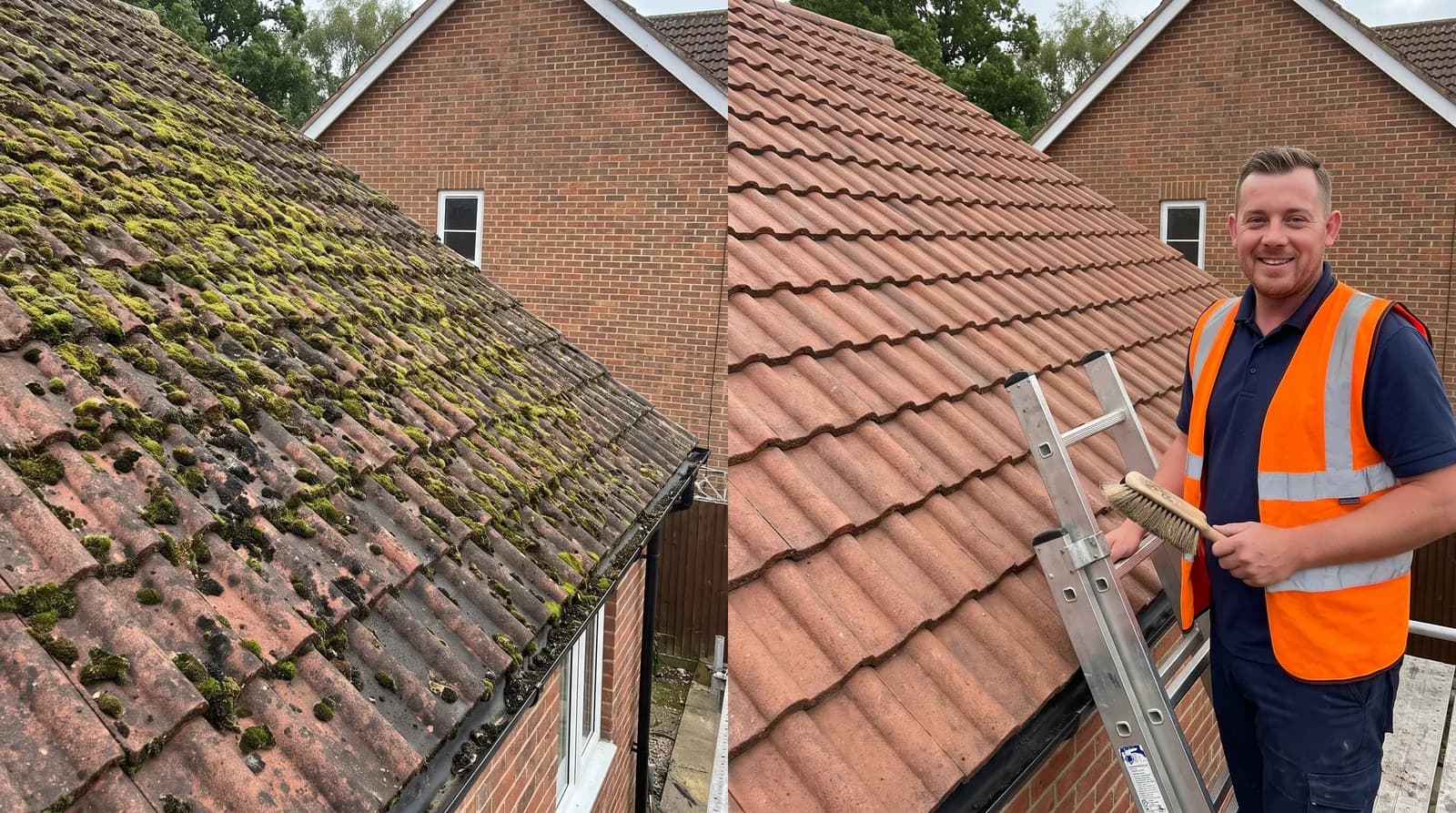
As a rule, gutters should be cleaned twice a year — once in late autumn after the leaves have dropped, and again in spring. Homes with no trees nearby can often manage on a single autumn clean, while properties under mature trees or near the coast may need three visits. Clearing a small terrace starts from £75. Leave it much longer than a year and you risk overflow, damp and rotting fascia.
The short answer: twice a year for most homes
The standard UK advice you will read is 'clean your gutters once a year'. In practice, most homes in the Chester area do better on twice a year — a main clear in late autumn once the leaves have finished falling, and a lighter one in spring to catch blossom, seeds and winter moss. A house with genuinely nothing overhanging it can usually get away with the single autumn visit; a house sitting under limes, sycamores or conifers often needs two or even three.
So the honest answer is 'it depends on your trees, your roof and your local weather' — but if you want one number to plan around, book two cleans a year and drop to one only if your gutters come out clean each spring. That is cheaper and safer than the reactive approach of waiting until water is pouring over the front edge, by which point the debris has compacted and damp may already be tracking into the wall.

Why Chester homes need it more than the national 'once a year'
Gutters fill up faster here than the national once-a-year rule suggests, and it comes down to our weather and our trees. The Chester area sits wet for a big part of the year, and moss, lichen and washed-down roof grit build up in gutters even on properties with no trees near them at all.
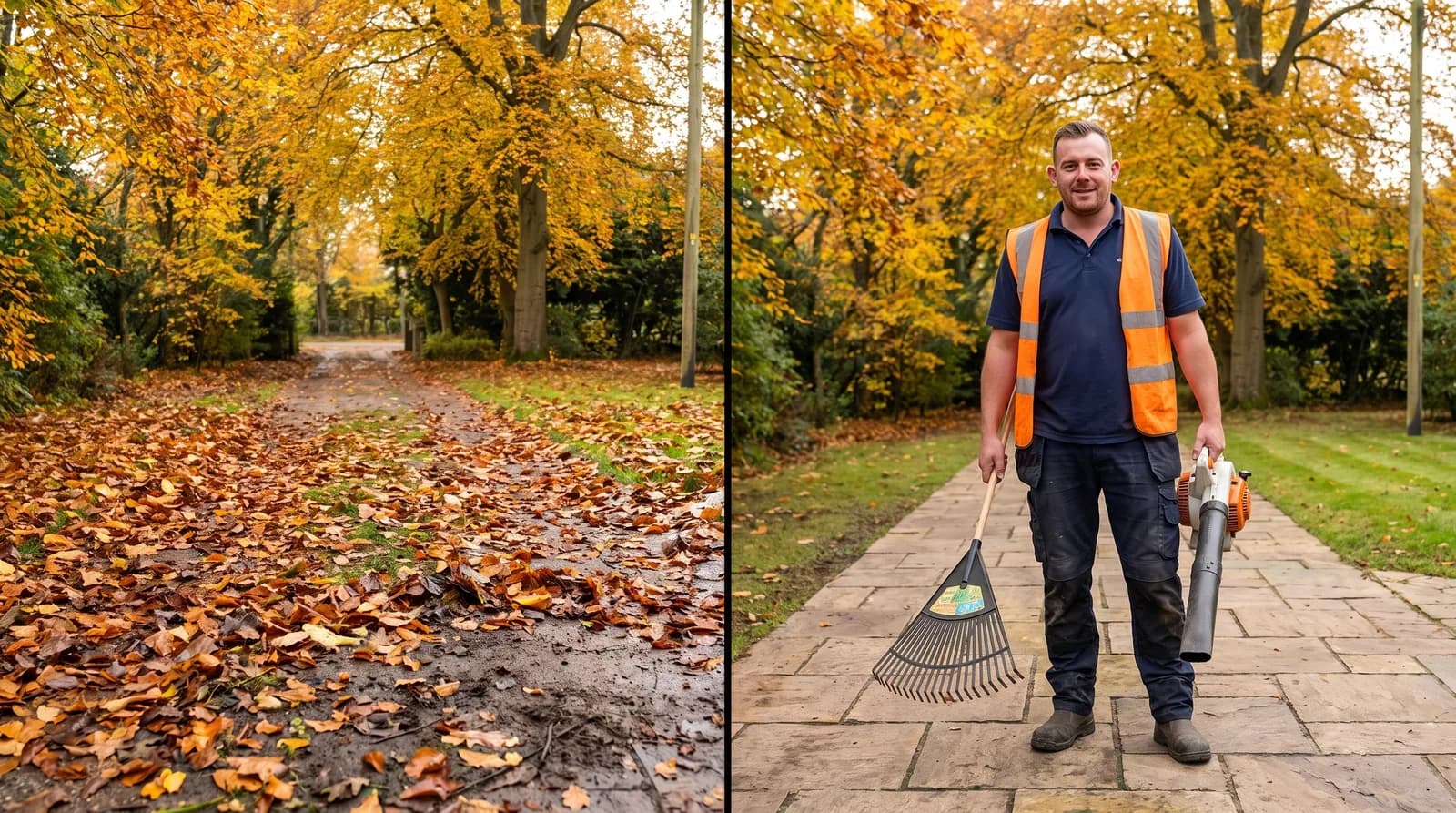
Then there is the tree cover. The mature limes and sycamores around Hoole, Boughton and Curzon Park, the leafy avenues of Upton and Christleton, and gardens backing onto the Dee all drop a serious amount of leaf litter every autumn. Homes in Frodsham, Northwich, Tarporley and the villages around Saughall sit among a lot of mature planting too, and Wirral and coastal Flintshire properties get salt-laden wind that drives debris into the runs. If your roofline catches any of that, a single yearly clean often is not enough.
The other factor is the houses themselves. Chester has a lot of older Victorian and Edwardian terraces and semis with cast-iron or deep ogee gutters, plus 1930s bays with awkward valley sections. These hold more debris and stay damp longer, so they block sooner than a modern square-line plastic gutter. Add it up and 'twice a year' is a fair working assumption for most local homes, not an upsell.
Gutter cleaning prices in Chester & Cheshire
| Job | Guide price | What affects it |
|---|---|---|
| Small terrace — gutter clearFront-and-back clear on a typical two-up two-down, debris bagged and taken away | From £75 | Front-and-back clear on a typical two-up two-down, debris bagged and taken away |
| Semi-detached — clear with downpipe checkFull clear plus a flow check on the downpipes so water actually gets away | Confirmed from photos | Full clear plus a flow check on the downpipes so water actually gets away |
| Detached propertyLonger runs and more corners; larger roofs and outbuildings quoted to suit | Confirmed from photos | Longer runs and more corners; larger roofs and outbuildings quoted to suit |
Gutter cleaning starts from £75 for typical Chester-area homes. The exact figure is confirmed after you send a few photos and the details — property size, number of storeys, tree cover and how blocked the runs already are all change the scope. A twice-a-year clear is quicker each visit than a first clean after several years of neglect.
A realistic gutter-cleaning schedule for Chester homes
- 1
Late autumn (November) — the essential one
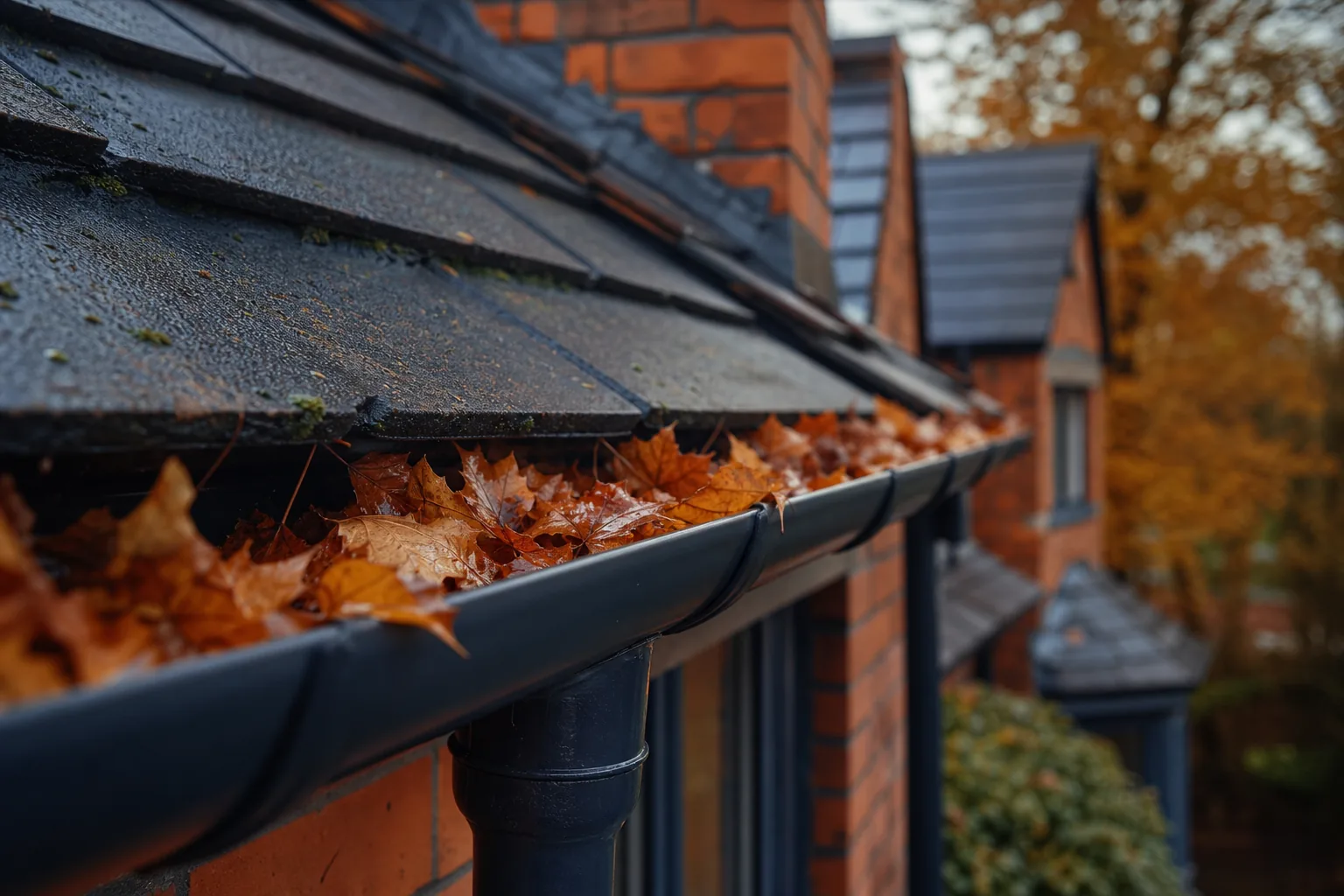
This is the clean nearly every home needs. Do it once the leaves have finished dropping, so the gutters go into winter clear and rainwater can get away cleanly through the wettest months. Skip this one and a blockage freezes, expands and you find the damage in spring.
- 2
Spring (March–April) — if you're near trees or the coast
A second clear catches the blossom, seeds, helicopters and moss that build up over winter. If your house is under or beside mature trees, backs onto the Dee, or sits on the Wirral or Flintshire coast, treat this as a must rather than optional.
- 3
Twice a year as standard for tree-lined streets
On the heavily wooded roads around Hoole, Upton, Christleton and Curzon Park, two cleans a year is simply the right rhythm. It is cheaper than letting debris compact, and it keeps the fascia and brickwork dry. A handful of homes right under conifers or overhanging oaks need a third top-up clean in early summer.
- 4
After any big storm
A heavy gale can dump a roof's worth of debris into the gutters in an afternoon, or shift a tile so grit washes down. If you have had overflow during a storm, get the runs checked rather than waiting for the next scheduled clean.
Seasonal gutter checklist for the Chester area
- Autumn (October–November): the main clear once leaves have dropped — the single most important visit of the year
- Winter: after storms or heavy snow, check from the ground for overflow, sagging brackets or icicles forming along the run
- Spring (March–April): a second clear for tree-lined and coastal homes, plus a look for blossom, seeds and winter moss
- Summer: a quick ground check that downpipes still run freely, and a top-up clean for homes right under conifers or oaks
- Any time: after a big gale, or if you notice water spilling over the front edge in rain, get the runs looked at rather than waiting
Spotting the signs is fine — checking from a ladder isn't
You can safely judge whether gutters are overdue from the ground: overflow in rain, plants sprouting from the run, or staining down the wall. What you should not do is go up a ladder on a two-storey home to look or clear it yourself. Working at height causes a high share of serious DIY injuries, and on older Chester houses the render and fascia don't take a ladder well either. Leave anything above single-storey to someone working safely from the ground.
Warning signs your gutters are already overdue
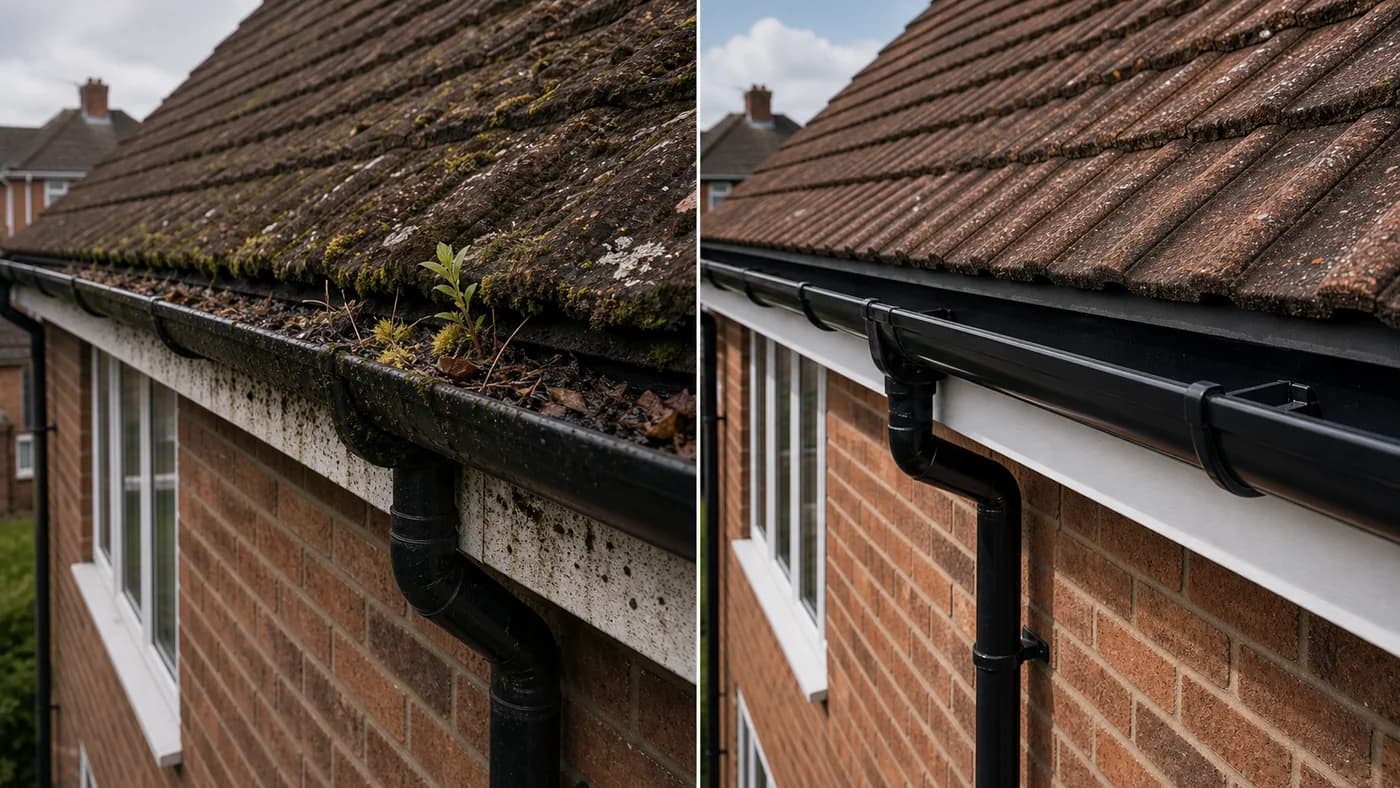
You do not need to climb up to know your gutters need attention — the signs show from the ground. The clearest is water spilling over the front edge of the gutter in rain instead of running to the downpipe; that means the run is holding back water somewhere. Green or dark staining streaking down the wall below the gutter line is the next tell, and so is a downpipe that stays silent in a downpour when it should be gurgling.
Look, too, for plants, grass or even small saplings growing out of the gutter — that only happens once enough compacted leaf mould has built up to act as soil, which is a sign it has been left well over a year. Sagging sections, gaps opening at the joints, and a tide-mark of damp on the fascia or soffit boards all point the same way. Any one of these means the clean is due now, not at the next scheduled slot.
What neglect actually costs: damp, rot and pests
The reason gutters matter is that they are the first line of defence keeping water off the wall. When a gutter overflows, that water runs down the brickwork or render instead of away through the downpipe. Over a wet Cheshire winter that leads to penetrating damp — cold, musty patches on the inside of external walls, blown or spalling render outside, and staining that no amount of repainting fixes until the gutter is sorted.
The fascia and soffit boards behind the gutter suffer first and worst. Sitting wet month after month, timber boards soften and rot, and even modern uPVC trims fail at the fixings once water gets behind them. Replacing a run of fascia, soffit and guttering costs many times more than the routine clean that would have prevented it, and it is one of the most common jobs we are called out to after a couple of missed years.
There is a pest angle as well. A gutter packed with damp leaf litter is a ready-made nest site — birds, and in some cases wasps, will use it, and standing water in a blocked run is exactly what mosquitoes and midges breed in. Debris bridging the gap between the gutter and the roofline can also give rodents an easier route into the eaves. Clearing the runs on schedule removes the food, water and shelter that draw all of them in.
A regular schedule vs waiting for a problem (reactive)
| On a regular schedule | Reactive — only when it overflows | |
|---|---|---|
| Rainwater | Drains away cleanly down the downpipes all year | Overflows the front edge and runs down the wall before you act |
| Fascia & soffit | Stay dry and last their full life | Sit wet for months, soften and rot — a costly replacement |
| Brickwork & damp | Wall kept dry, no penetrating damp | Persistent damp patches, green staining, blown render |
| Pests | No standing water or leaf mould for birds, wasps or midges | Blocked, damp runs become nest sites and breeding water |
| The clean itself | Loose debris, quick and cheaper each visit | Compacted, plants rooted in, longer and more expensive to shift |
| Cost over time | From £75 a visit, predictable and easy to budget | Cleaning plus fascia, soffit and damp repairs down the line |
The best time to book is before you need it
Late autumn is the busiest slot of the year for gutter clearing across Chester and Cheshire, so booking a week or two ahead of the leaf-drop rush means you get a date that suits you. Many customers set a standing autumn clean, adding a spring one if their property needs it, so it is handled without having to remember — we send a reminder when it is due.
Frequently asked questions
How often should gutters be cleaned?
Gutters should be cleaned twice a year as a rule — once in late autumn after the leaves have dropped, and again in spring. Homes with no trees overhanging them can usually manage on a single autumn clean, while properties under mature trees or near the coast may need a third visit.
How often should you clean your gutters in the UK?
In the UK the common advice is at least once a year, but most homes are better served by twice a year — a main clear in autumn and a lighter one in spring. In the wetter, leafier parts of Cheshire and the Chester area, twice a year is the sensible working assumption rather than the minimum.
How many times a year should you clean gutters?
Two times a year suits most homes: late autumn and spring. A house with nothing overhanging it may only need one clean a year, while a property directly under mature trees or conifers can need three — an autumn clear, a spring clear and a summer top-up.
When should gutters be cleaned?
The most important time is late autumn, once the leaves have finished falling, so the gutters go into winter clear. Add a second clean in spring to catch blossom, seeds and winter moss, and get the runs checked after any big storm.
What is the best time of year to clean gutters?
Late autumn (November) is the best time, because clearing after leaf-fall means rainwater can get away cleanly through the wettest months. Spring (March–April) is the second-best slot and is worth adding for tree-lined and coastal homes.
Is once a year really enough for my house?
It depends on trees. A home with nothing overhanging is usually fine on one good autumn clean. If you are under or beside mature trees — common across Hoole, Upton and Christleton — or near the Dee or coast, plan for twice a year.
How do I know if my gutters are already overdue?
Look for water spilling over the front edge in rain, plants or grass growing out of the gutter, staining or green algae on the wall below, or water pooling at the base of the downpipe. Any of those means it is due now.
What happens if I never clean my gutters?
Blocked gutters overflow against the wall, which leads to penetrating damp, rotted fascia and soffit boards, pests nesting in the debris and, in winter, ice damage. The repair bill for fascia and damp work is far higher than a routine clean would have been.
How much does gutter cleaning cost in Chester?
Gutter cleaning starts from £75 for a small terrace. The exact price is confirmed after you send a few photos and the details, since size, storeys and how blocked the runs are all change the job.
Can you put me on a regular gutter-cleaning schedule?
Yes. A lot of customers book a set autumn clean, with a spring one added if their property needs it, so it is handled without having to remember. We send a reminder when it is due and cover Chester and roughly a 45-minute radius across Cheshire, the Wirral and parts of Wrexham and Flintshire.