Short answer
Hedge cutting in the UK typically costs from around £45 for a short, low hedge, £80 to £150 for a semi's front-and-side boundary, and £150 to £300-plus for a large or tall run, with per-hour rates around £30 to £50. At CPAGM hedge trimming starts from £120, with the clippings taken away; your exact price depends on the size of the hedge and access, and we confirm it once you send a few photos.
What to send for your hedge quote
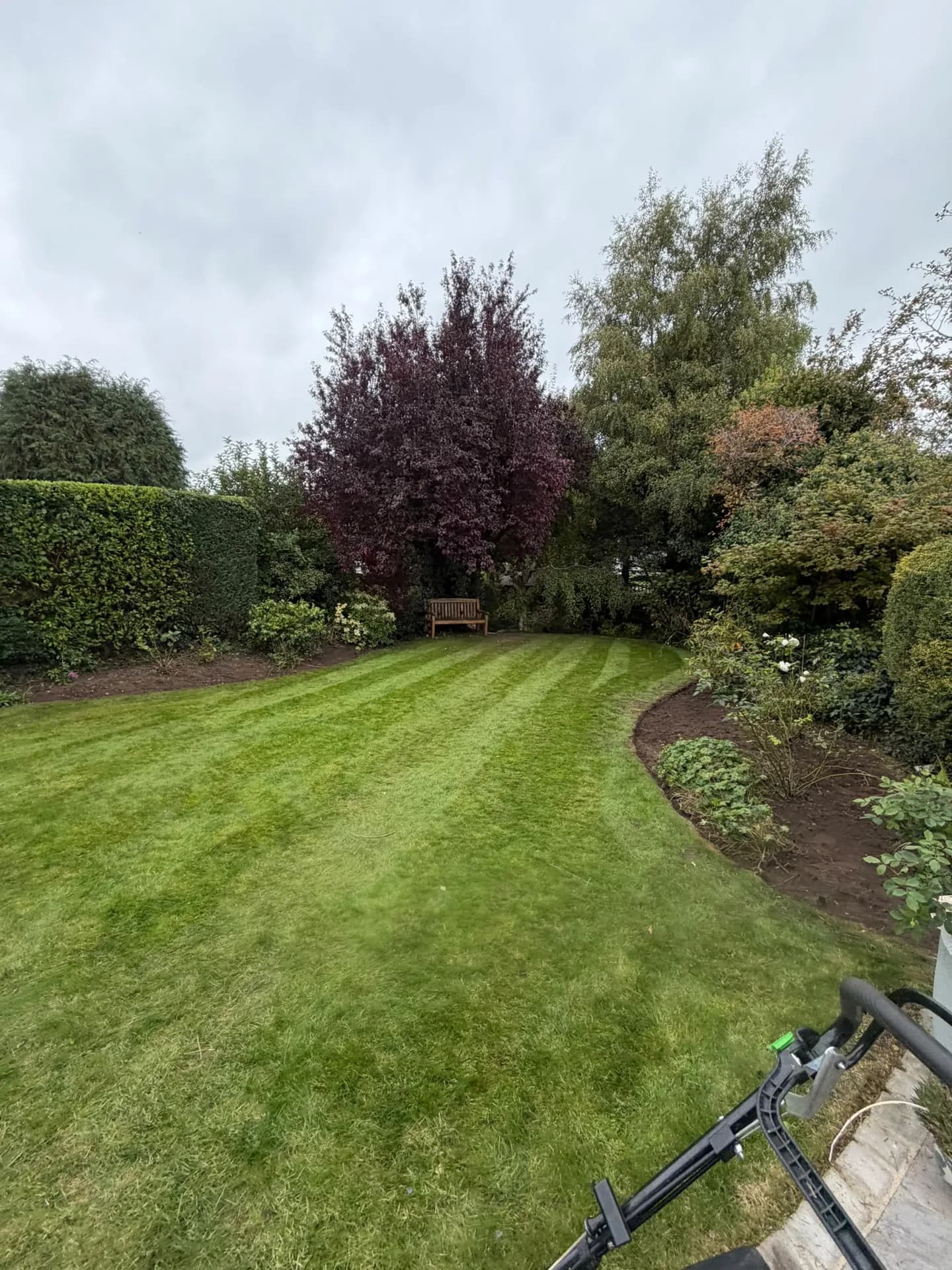
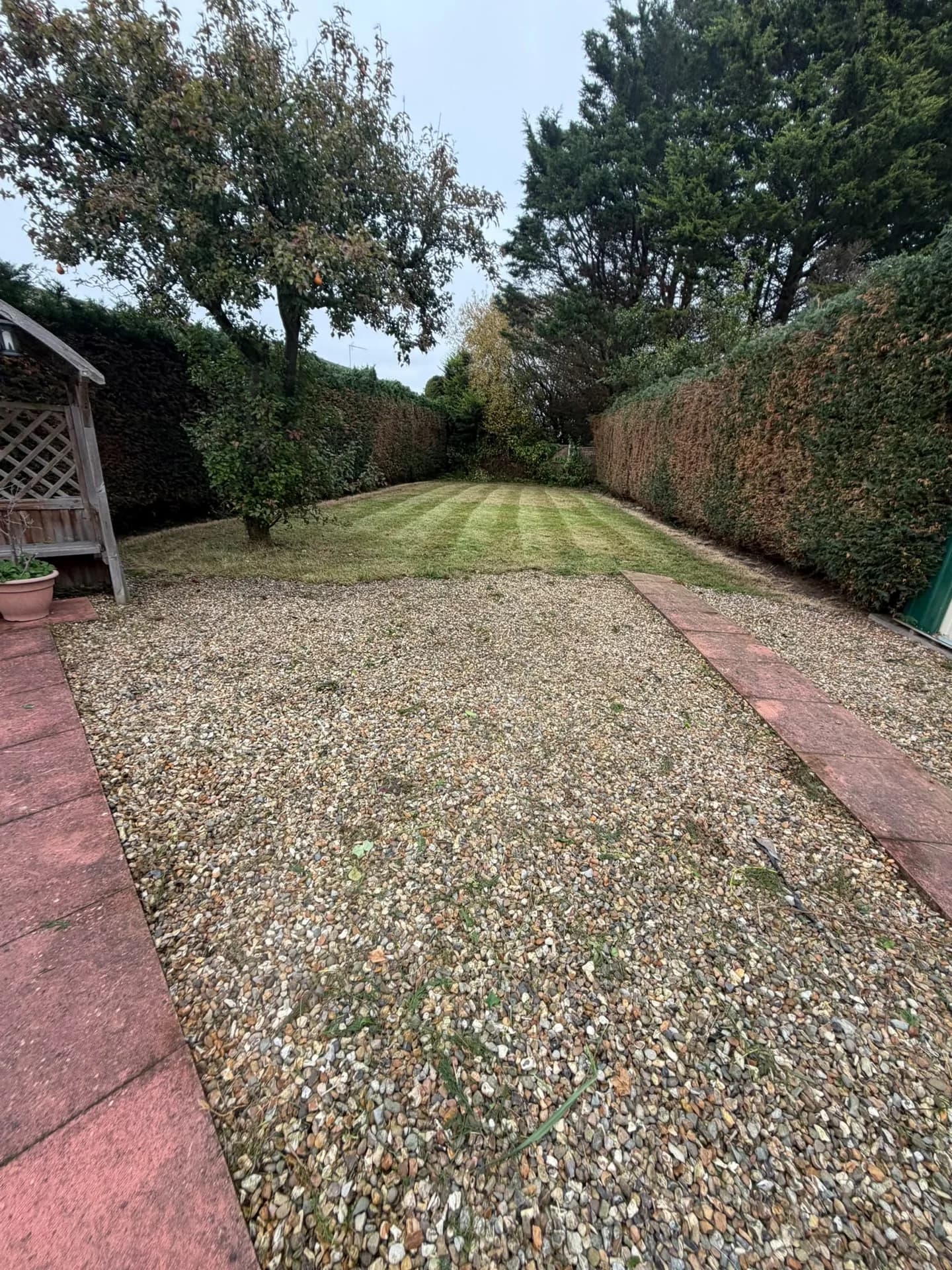
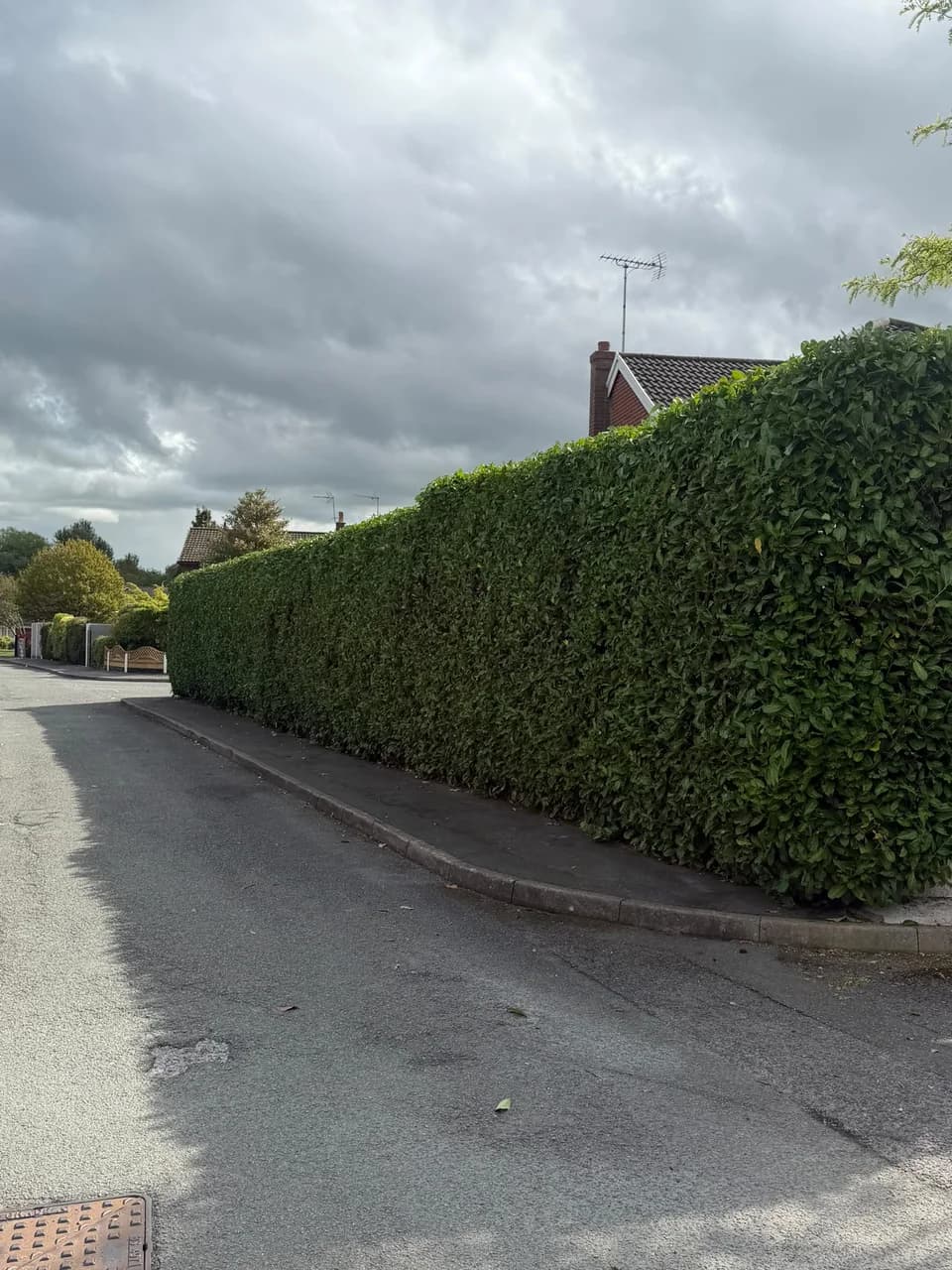
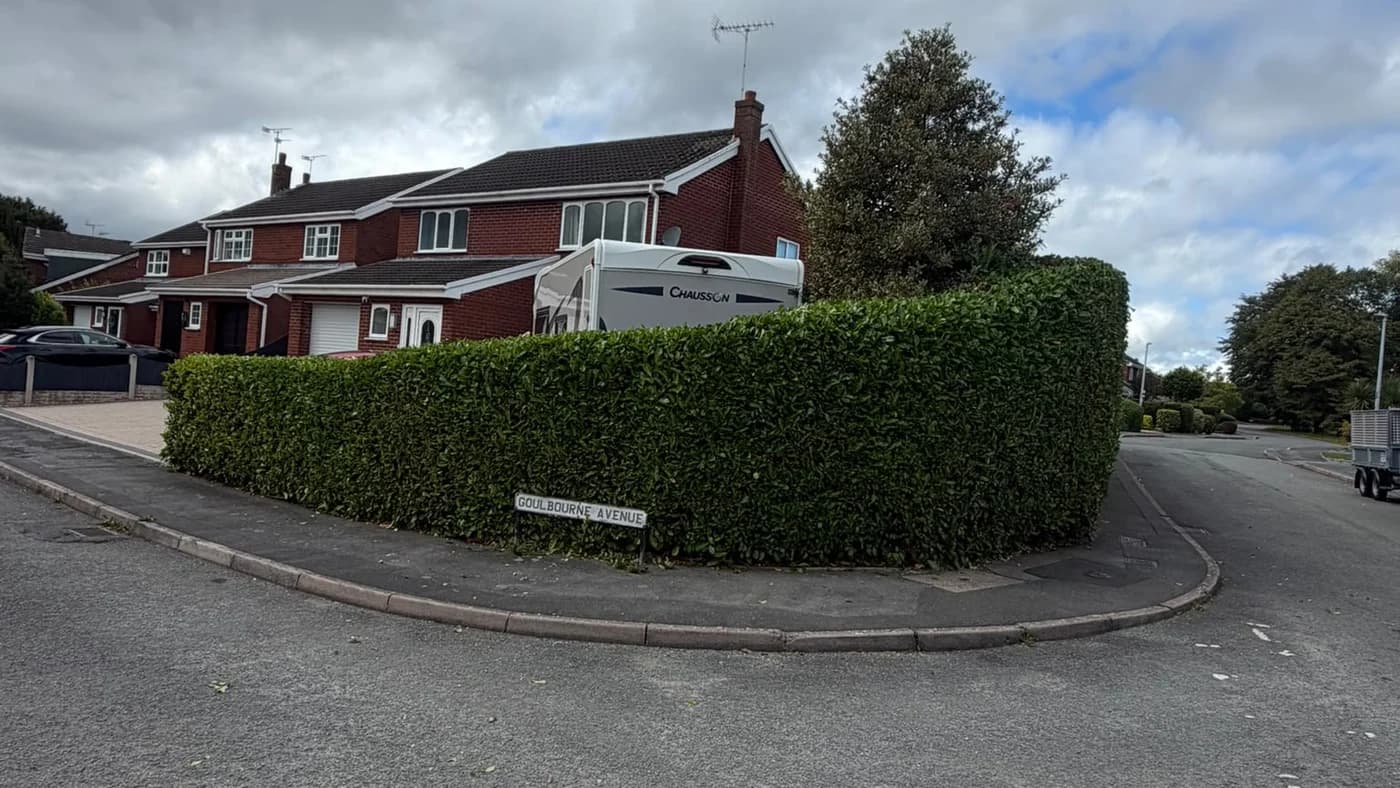
- One wide photo showing the full length, plus a close-up of the hedge.
- Approximate length and height, and whether you want a light trim or a reduction.
- Photos of both sides where accessible, the gate and any awkward access.
- Your postcode, preferred timing and whether the clippings should be removed.
What actually changes the price of a hedge cut
Hedge cutting is priced on length, height, condition and waste — not just the time with the trimmer running. A short, well-kept box hedge along a path is quick. A 30-metre overgrown leylandii boundary that has not been touched in two years, where every cut throws out barrowloads of green waste, is a different job entirely.
Around Chester, Hoole, Handbridge and out across the Wirral and into Flintshire we get a long, mild, wet growing season off the Dee estuary and Irish Sea. Leylandii, laurel and privet put on a lot of growth here, so a hedge left a season too long becomes a bigger, slower, dearer job than the same hedge kept on a regular trim. That is the single biggest thing homeowners can do to keep the cost down — little and often beats one heavy rescue cut.
The two things that move the price most after length are height and waste. A hedge above head height is slower and needs safe access, and the volume of clippings off a big conifer or laurel boundary can fill a van, so green-waste removal is often the line that turns a routine trim into a much bigger job. Access matters too: a gate too narrow for a barrow, a hedge over a shared boundary, or anything near overhead cables all add time and care.
What CPAGM charges — our real hedge prices
| Job | Guide price | What affects it |
|---|---|---|
| Hedge trimmingA straightforward trim back to a clean shape, clippings cleared and taken away | From £120 | A straightforward trim back to a clean shape, clippings cleared and taken away |
| Hedge reductionHeight and width brought back on a hedge that has outgrown the space | Confirmed from photos | Height and width brought back on a hedge that has outgrown the space |
| Regular maintenance visitA recurring garden visit that keeps grass, edges and smaller hedges in check little-and-often | Confirmed from photos | A recurring garden visit that keeps grass, edges and smaller hedges in check little-and-often |
Hedge trimming starts from £120 in Chester and roughly a 45-minute radius. The confirmed price depends on the length, height and access of the hedge and how much waste comes off, and we confirm it after you send a few photos.
Hedge cutting prices — typical UK guide
| Job | Guide price | What affects it |
|---|---|---|
| Small / low hedge — single trimShort run, below head height, light regrowth | From £45 | Short run, below head height, light regrowth |
| Standard boundary hedge (front + one side)Typical semi, two-sided trim, kept reasonably tidy | £80–£150 | Typical semi, two-sided trim, kept reasonably tidy |
| Large or tall hedge — full reshapeLong run, above head height, more access and time | £150–£300 | Long run, above head height, more access and time |
| Overgrown leylandii or laurel — reduction cutHeavy growth taken back hard, priced by size after a look | Priced after photos | Heavy growth taken back hard, priced by size after a look |
| By the hour (UK guide)For one person; a two-person team costs more but clears the job faster | £30–£50/hr | For one person; a two-person team costs more but clears the job faster |
| Green-waste removal (clippings taken away)Depends on volume — a small hedge is little, a big conifer can fill a van | £40–£80 | Depends on volume — a small hedge is little, a big conifer can fill a van |
Typical UK guide ranges for labour, not a CPAGM quote. Hedge cutting is usually priced by time (per hour or half-day) or by the length and height of the hedge — tall conifers, leylandii and waste removal all add cost. Use these to sense-check any quote you are given.
Hedge cutting prices per hour vs by the job
If you search "hedge cutting prices per hour" you will see figures of roughly £30 to £50 an hour for one person across the UK, usually a little lower in the North West around Chester and Cheshire than in London and the South East. A two-person team costs more per hour but tends to clear the job in half the time, so the total often works out similar.
Hourly rates are a useful sense-check, but most reputable trades — CPAGM included — price the whole hedge rather than the clock. Quoting the job means you know the cost before anyone starts, and you are not paying by the minute if the trimmer hits a thick, woody section or the weather slows things down. The one figure that actually matters is the total for your hedge, cut to shape, cleared and tidied — and that is exactly what a photo-based quote gives you, with no call-out fee just to price it up.
The best time of year to cut a hedge
Timing matters for both the price and the health of the hedge. Formal evergreens like privet, box and yew are usually trimmed twice a year — once in late spring or early summer and again in late summer — to hold a crisp shape. Fast conifers such as leylandii put on a lot of growth in the mild, wet Cheshire climate and often need two or three light trims across the season to stay in check.
Deciduous hedges like beech and hornbeam are best cut in mid to late summer, with any hard renovation left to the dormant winter months. The big rule, though, is the law on nesting birds: between roughly March and August a hedge must be checked for active nests before it is cut. Around Chester, Frodsham, Northwich and Tarporley we plan larger reductions for autumn and winter wherever we can, so the cut is safe, legal and kinder to the hedge.
Nesting season runs March to August — we check first
It is against the law to cut a hedge if doing so would damage or destroy an active bird's nest. Nesting season in the UK runs roughly from March to August, so through spring and summer any hedge is checked for active nests before a trimmer comes near it. If a nest is in use, that section is left until the birds have fledged. A light, careful trim is often still possible elsewhere, but a full reduction usually waits until autumn.
What a professional hedge cut involves
- 1
Check for nesting birds and plan the cut
Between spring and late summer the hedge is checked for active nests first — it is the law. We then plan the height, shape and access before the trimmer comes out.
- 2
Cut to shape, not just shorter
A hedge is cut slightly wider at the base than the top — an 'A' shape — so light reaches the bottom and it stays thick rather than going thin and gappy lower down.
- 3
Work to the growth of each hedge
Beech, privet, yew, laurel and leylandii each behave differently. We trim to green growth and avoid cutting conifers into bare brown wood, which they will not reshoot from.
- 4
Clear up and take the waste away
Clippings are raked off the hedge and out of the borders, and taken away — so you are left with a clean finish, not a pile of green waste.
Reduction cut vs regular maintenance
There are really two kinds of hedge job, and they cost very differently. A regular trim keeps an already-managed hedge to size — it is quick, produces modest waste, and is the cheapest way to own a hedge over time. A reduction cut is what an overgrown, neglected hedge needs: the height and depth are taken back hard, often by a foot or more, which is slower, heavier and throws out barrowloads of green waste.
On conifers a reduction has to be judged carefully, because leylandii and most conifers will not reshoot from bare brown wood — cut too far and you are left with a permanent brown scar. That is why a big reduction is sometimes staged over two seasons rather than done in one hit. The lesson for the wallet is simple: a hedge kept on a regular trim almost never needs an expensive rescue cut, so little and often is both cheaper and kinder to the plant.
A tall hedge off a ladder is a real safety job
Cutting anything above head height while holding a powered trimmer, balanced on a ladder, is one of the easiest ways to have a serious accident. Big leylandii, mature laurel, anything near overhead power lines, or a hedge you would have to reach off a ladder to finish — stop there. That is the point to get someone insured to do it safely from the ground or a platform. The saving on a tall hedge is not worth the risk.
One-off overgrown cut vs regular maintenance
| One-off overgrown cut | Regular maintenance trim | |
|---|---|---|
| Cost | Higher — more time, harder cutting and a lot of waste | Lower per visit and cheaper over the whole year |
| The hedge | Risk of bare patches, especially on conifers cut back hard | Stays thick, green and in shape |
| Waste | Barrowloads, sometimes a van-load of clippings | Modest and easy to clear |
| Best for | Rescuing a hedge left one or more seasons too long | Keeping a managed hedge tidy year to year |
DIY hedge cutting vs a professional trim
| DIY yourself | Professional trim | |
|---|---|---|
| Finish | Easy to leave a wavy top and uneven sides | Level top, even sides, shaped so the base stays thick |
| Safety | Working at height with a powered trimmer on a ladder | Done safely from the ground or proper access, fully insured |
| The hedge's health | Easy to cut conifers into bare wood that never regrows | Trimmed to green growth so it reshoots and stays full |
| Waste | Barrowloads of clippings to bag, store and tip yourself | Raked up and taken away, garden left tidy |
| Typical cost | £30–£150 for a decent trimmer, plus your time and the risk | From £45 as a UK guide, insured, with the waste cleared |
Photos that get you an accurate hedge price fast
- The full length of the hedge and roughly how tall it is — a person or a fence panel in shot helps for scale
- How overgrown it is: a single season's growth versus two or three years untouched changes the whole job
- What it is — privet, box, laurel, beech or leylandii — and whether you want the clippings taken away
- Access: gates, paths, parking and anything near overhead cables or a shared boundary
Frequently asked questions
How much does hedge cutting cost?
Hedge cutting cost in the UK typically runs from around £45 for a small, low hedge, £80 to £150 for a semi's front-and-side boundary, and £150 to £300 or more for a large or tall run. At CPAGM a straightforward hedge trim starts from £120, with the clippings taken away and the exact price confirmed after you send a few photos.
What are typical hedge trimming prices in the UK?
Hedge trimming prices depend mainly on the length and height of the hedge and how overgrown it is. As a UK guide, a short low hedge starts from about £45, a standard boundary is £80 to £150, and a large or tall reshape is £150 to £300-plus. Green-waste removal is usually £40 to £80 on top, depending on how much comes off.
How much does it cost to cut a hedge in the UK?
The cost to cut a hedge in the UK is usually £45 to £150 for a typical garden hedge, rising to £300 or more for a long, tall or badly overgrown one. Some trades price per hour at roughly £30 to £50, but most quote the whole job so you know the total before they start.
How much to cut a hedge on a typical semi?
As a UK market guide, cutting the front-and-side boundary hedge of a typical semi, kept reasonably tidy, runs around £80 to £150. With us, a straightforward hedge trim starts from £120. A neglected version of the same hedge costs more because it needs a harder reduction cut and produces far more waste.
What are hedge cutting prices per hour?
Hedge cutting prices per hour in the UK are typically £30 to £50 an hour for one person, and higher for a two-person team that works faster. Hourly rates are handy for comparison, but we price the whole hedge rather than the clock, so you get a firm total up front instead of paying by the minute.
How much does leylandii cutting cost?
Leylandii cutting cost usually sits at the higher end, because these conifers grow fast, get tall and throw out a lot of waste. As a UK guide, a regular leylandii trim runs around £80 to £180, while a big reduction on a long, mature run can be £200 to £400-plus. With us, hedge trimming starts from £120, and the price for a leylandii reduction depends on its size and access, confirmed from a few photos. We look at leylandii first, as it must never be cut back into bare brown wood, which will not regrow.
Is hedge cutting priced by the hour or the hedge?
We price the job, not the hour, so you know the cost before we start. It comes down to the length and height of the hedge, how overgrown it is, and how much waste comes off. A few photos are usually enough to give you a firm guide price.
Why is my overgrown hedge more expensive than a regular trim?
A neglected hedge takes far longer, needs cutting back harder and throws out a lot more green waste than a hedge kept on a regular trim. Keeping it on a yearly or twice-yearly cut is the cheapest way to look after it — little and often beats one big rescue job.
When is the best time of year to cut a hedge?
Most formal hedges are trimmed in late spring or early summer and again in late summer, while fast conifers like leylandii may need two or three cuts across the season. Deciduous hedges and hard renovations are best left to autumn or winter. Whatever the type, active bird nests must be checked for between March and August first.
Can you cut a hedge during bird-nesting season?
A light, careful trim is often still possible, but it is against the law to cut a hedge if it would damage or destroy an active nest. Between roughly March and August we check the hedge first and leave any section with a nest in use until the birds have fledged, usually holding bigger reductions back until autumn.
Do you take the clippings away?
Yes. Clearing and taking away the clippings is part of the job, and on a big reduction the amount of waste is one of the things that sets the quote. If you would rather keep the clippings for your own compost or green bin, we can leave them bagged or piled instead.
Can you cut a tall hedge without scaffolding?
Usually yes. Most garden hedges are done safely from the ground with long-reach kit or proper access equipment. Genuinely tall or awkward boundaries are looked at first so we can quote the right approach — we would never balance off a ladder with a powered trimmer.